What Is a Modular Home? Modular vs. Site-Built and Mobile Homes in North Carolina
If you’re looking to buy a home in Coastal North Carolina, you may come across several different types of construction, including site-built homes, modular homes, manufactured homes, and mobile homes. While these terms are sometimes used interchangeably, they describe very different types of housing.
Understanding the difference between a modular home, manufactured or mobile home, and traditional site-built home can help you make a more informed decision when buying real estate in areas like Swansboro, Jacksonville, Morehead City, New Bern, Beaufort, and the surrounding Crystal Coast.
What Is a Modular Home?
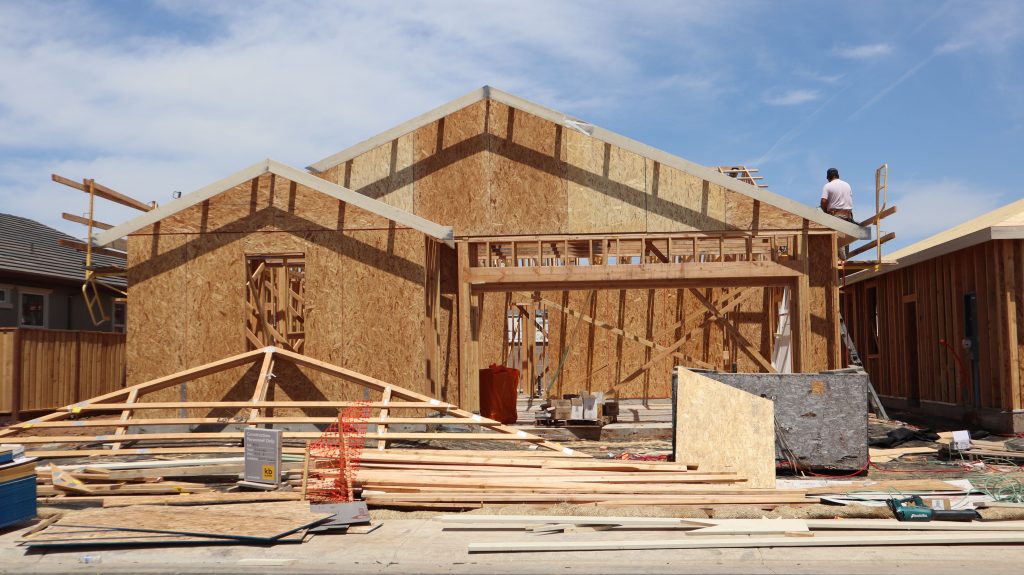
A modular home is a home that is constructed in sections inside a controlled factory environment and then transported to the building site, where the sections are assembled and permanently installed on a foundation.
Although the home is built in a factory, a modular home is generally constructed to meet the same applicable state and local building codes as a traditional home built entirely on-site.
Once completed, a modular home can look virtually identical to a site-built home. Many buyers are surprised to learn that a modular home may include features such as:
- Multiple bedrooms and bathrooms
- Open-concept floor plans
- Garages
- Porches and decks
- High-end kitchens
- Custom finishes
- Multiple stories
- Large windows and upgraded architectural features
The fact that portions of the home were built inside a factory does not necessarily mean the finished property will look or feel like a manufactured home.
Modular Homes vs. Site-Built Homes
The primary difference between a modular home and a site-built home is where and how the home is constructed.
A traditional site-built home is constructed primarily at the property where it will ultimately remain. Materials are delivered to the lot, and contractors build the home from the foundation upward.
A modular home is constructed in sections at a manufacturing facility. Those sections are then transported to the property and assembled on the foundation.
Site-Built Home
A site-built home:
- Is constructed primarily on the property
- Is built according to applicable building codes
- Can be highly customized
- May take longer to construct depending on weather, labor, and material availability
- Is typically constructed by various contractors at the building site
Modular Home
A modular home:
- Is constructed in sections in a factory
- Is transported to the property
- Is assembled on a permanent foundation
- Must meet applicable building-code requirements
- Can offer a wide variety of floor plans and finishes
- May have a more controlled construction timeline because much of the building process takes place indoors
From a buyer’s perspective, a modular home can function much like a traditional home once it is installed on a permanent foundation.
What Is a Manufactured Home?
A manufactured home is different from a modular home.
Manufactured homes are built in a factory according to federal HUD construction standards and are transported to the property, typically in one or more sections.
Manufactured homes can be placed on different types of foundations or support systems depending on the home and installation requirements.
You may also hear manufactured homes referred to as mobile homes. Technically, “mobile home” generally refers to homes manufactured before the federal HUD standards took effect in 1976. Today, the term “manufactured home” is generally more accurate for newer factory-built homes.
Modular vs. Manufactured Homes: What’s the Difference?
This is one of the most common questions buyers have.
The biggest difference is the building standards and construction classification.
Modular homes are constructed in sections but generally follow the same state and local residential building codes applicable to site-built homes.
Manufactured homes are constructed according to federal HUD standards specifically established for manufactured housing.
Both can be attractive housing options, but they can be treated differently when it comes to financing, insurance, zoning, property taxes, appraisals, resale, and community restrictions.
Are Modular Homes Considered Real Property?
A modular home installed on a permanent foundation and properly attached to the land can generally be treated as real property, similar to a traditional site-built home.
However, the classification of a particular property can depend on how the home is titled, installed, financed, and legally recorded.
This distinction can become especially important when buying or selling real estate.
If you’re considering purchasing a modular home in North Carolina, it’s a good idea to have your real estate agent, lender, closing attorney, and other appropriate professionals review the property details before moving forward.
Can You Get a Mortgage on a Modular Home?
In many cases, yes. A modular home that is permanently installed and meets applicable requirements may qualify for traditional mortgage financing.
However, financing requirements vary by lender and by property.
Buyers should discuss the specific property with their lender early in the process. Factors such as the foundation, land ownership, title, construction, appraisal, and property classification can all matter.
Manufactured homes can have different financing requirements, particularly if the home is located on leased land rather than land owned by the homeowner.
Modular Homes in Coastal North Carolina
Modular homes can be an appealing option for buyers throughout Coastal North Carolina, especially for those who want a newer, customizable home without necessarily following the traditional construction process.
Depending on local zoning and property restrictions, modular homes may be an option in communities around:
- Swansboro
- Emerald Isle
- Morehead City
- Beaufort
- Jacksonville
- New Bern
- Havelock
- Sneads Ferry
- Hubert
- Carteret County
- Onslow County
- Craven County
However, not every parcel allows every type of construction.
Before purchasing land with plans to place a modular home on it, buyers should investigate zoning, building requirements, subdivision restrictions, HOA rules, septic requirements, flood-zone considerations, utility availability, and other property-specific regulations.
This is particularly important in Coastal North Carolina, where flood zones, soil conditions, septic systems, and storm-related building requirements can play a significant role in determining what can be built on a property.
What Should You Consider Before Buying a Modular Home?
If you’re considering a modular home, don’t focus only on the purchase price of the home itself.
You may also need to budget for:
- Land
- Site preparation
- Foundation
- Delivery and transportation
- Home installation
- Utility connections
- Septic or sewer
- Well or water connection
- Driveway
- Landscaping
- Permits
- Decks, porches, or other additions
The total project cost can be significantly different from the advertised price of the home.
Is a Modular Home a Good Investment?
A modular home can be a great fit for the right buyer and property.
Because modular homes can be permanently installed and built to applicable residential building codes, they can be very different from the older “mobile home” image many people associate with factory-built housing.
However, resale value is property-specific. The location, land value, quality of construction, age, condition, foundation, neighborhood, financing availability, and comparable sales can all affect the property’s value.
If you’re considering buying a modular home as an investment or future resale property, talk with a local real estate professional before making a decision.
Frequently Asked Questions About Modular Homes
Is a modular home the same as a mobile home?
No. Modular and manufactured homes are different types of factory-built housing. Modular homes are generally constructed to applicable state and local building codes, while manufactured homes are constructed under federal HUD standards.
Does a modular home have to be on a permanent foundation?
Modular homes are typically installed on a permanent foundation, but requirements can vary by construction and location. Always verify the requirements for a specific property.
Can a modular home look like a regular house?
Yes. A modular home can be designed with a wide variety of architectural styles, floor plans, finishes, garages, porches, and other features. Once completed, it can be difficult to distinguish visually from a site-built home.
Are modular homes cheaper than site-built homes?
They can be, but not always. Factory construction may provide efficiencies, but buyers must also consider land, site preparation, foundation, delivery, utilities, permits, and installation costs.
Can you put a modular home on your own land?
Potentially. Whether you can place a modular home on a particular parcel depends on zoning, subdivision restrictions, HOA rules, building codes, septic and utility requirements, and other local regulations.
Can I buy a modular home in Coastal North Carolina?
Yes, modular homes are available in Coastal North Carolina, but the availability and requirements vary by location. If you’re purchasing land specifically to build a modular home, verify that the property is suitable before purchasing.
Thinking About Buying Land or a Modular Home in Coastal NC?
Whether you’re looking for a modular home, manufactured home, new construction, or traditional site-built home, understanding the property and the local requirements is an important part of the buying process.
If you’re searching for land or a home in Swansboro, Emerald Isle, Morehead City, Beaufort, Jacksonville, New Bern, or surrounding Coastal North Carolina communities, Justice Realty Group can help you navigate the local real estate market and identify properties that fit your goals.
Ready to find your Coastal North Carolina home? Contact Justice Realty Group to start your search.
This article is provided for general informational purposes and is not legal, construction, zoning, tax, or financial advice. Building requirements, zoning regulations, financing guidelines, and property classifications can vary by location and property. Always verify requirements with the appropriate local authorities and qualified professionals before purchasing land or beginning construction.