Selling a Home in Swansboro & Coastal North Carolina: Seller FAQs
Selling a home comes with a lot of questions, especially in a coastal real estate market. From determining your home’s value and preparing it for sale to understanding due diligence, inspections, closing costs, and negotiations, knowing what to expect can make the process much easier.
I’m Vanessa Justice, Broker/REALTOR® and owner of Justice Realty Group. I’ve been helping buyers and sellers navigate real estate in Coastal North Carolina since 2005. Below are answers to some of the questions homeowners most often ask when preparing to sell a home in Swansboro, Emerald Isle, Cape Carteret, Cedar Point, Hubert, Stella, Morehead City, Atlantic Beach, and surrounding areas.
How much is my home worth in Swansboro, NC?
Your home’s value depends on much more than its square footage. Location, condition, upgrades, lot size, neighborhood, recent comparable sales, current competition, buyer demand, and market conditions can all affect what a buyer may be willing to pay.
Online home-value estimates can be a useful starting point, but they cannot fully account for features that make your property different from nearby homes.
For a more accurate estimate, I recommend a personalized market analysis using recent local sales and current competition.
Wondering what your home could sell for? Request a personalized home value analysis from Justice Realty Group.
How is the value of my home determined?
I look at recent comparable sales, active and pending listings, location, square footage, age, condition, improvements, lot characteristics, amenities, and current buyer demand.
For coastal properties, additional factors such as water access, water views, flood zones, proximity to the beach, community amenities and rental potential can have a significant impact on value.
The goal isn’t simply to determine what your home is worth on paper. It’s to determine how today’s buyers are likely to perceive its value.
How do I choose the right listing price when going to sell my home?
The right listing price should be based on current market data, your home’s condition, competing properties, recent sales and buyer demand.
Pricing too high can reduce activity and cause a property to sit on the market. Pricing strategically from the beginning can create stronger interest and put you in a better negotiating position.
A good pricing strategy is about positioning your home where buyers see its value.
Should I price my home high so I have room to negotiate?
Usually, this strategy can work against a seller.
Today’s buyers have easy access to listing information and comparable properties. If your home appears overpriced compared with similar homes, buyers may skip it rather than make a lower offer.
Starting with a realistic, market-supported price can help attract more qualified buyers and potentially create stronger negotiating leverage.
What should I do before listing my home?
Start by looking at the property through a buyer’s eyes.
Decluttering, deep cleaning, completing minor repairs, improving curb appeal and removing excess personal items can make a significant difference.
You don’t necessarily need to renovate your home. The goal is to make it feel clean, cared for, bright and easy for buyers to imagine as their own.
Before spending money on improvements, talk with your real estate agent about which projects are likely to make a difference in your particular market.
What repairs should I make before selling?
Focus first on obvious maintenance issues that could concern buyers.
Leaking faucets, damaged trim, broken fixtures, peeling paint, loose railings, damaged screens and other visible problems can make buyers wonder what else hasn’t been maintained.
Larger improvements should be considered carefully. Spending $20,000 on renovations does not necessarily mean your home will sell for $20,000 more.
I can help you prioritize improvements based on what buyers are looking for in your price range.
Should I renovate before selling my home?
Not necessarily.
Some renovations can improve marketability, but major remodeling immediately before selling doesn’t always provide a dollar-for-dollar return.
Sometimes fresh paint, updated lighting, landscaping, professional cleaning and thoughtful staging can have more impact than an expensive renovation.
Before beginning a large project, it’s worth discussing the potential return.
Should I stage my home before putting it on the market?
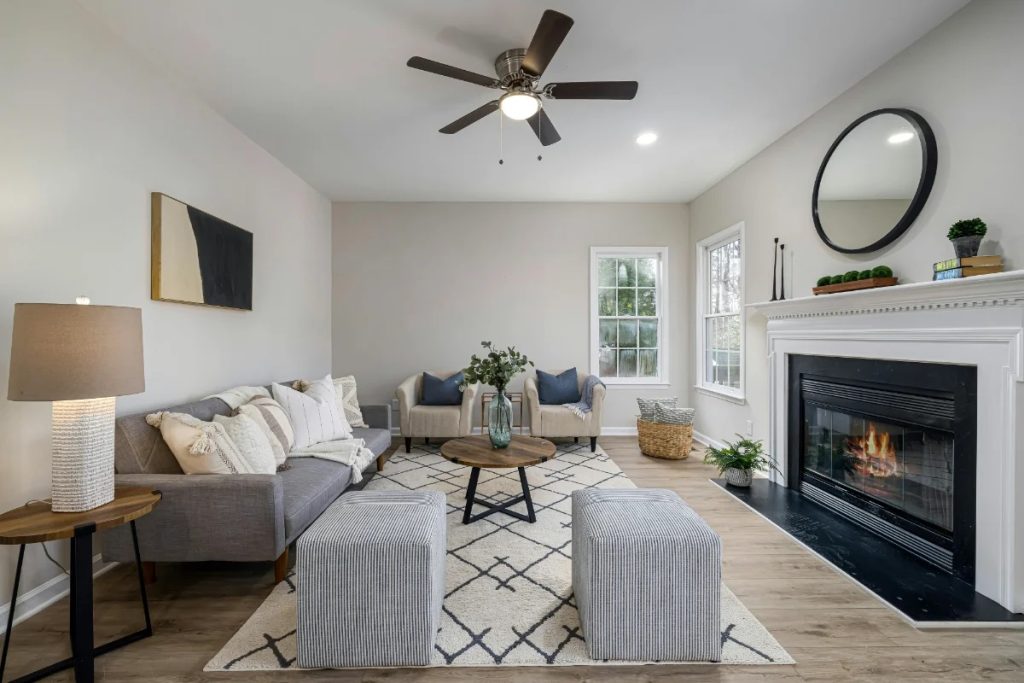
Staging doesn’t always mean hiring a professional staging company or renting furniture.
Often, effective staging means rearranging furniture, decluttering, removing oversized pieces, brightening rooms and creating a clean, welcoming appearance.
The goal is to help buyers understand the space and picture themselves living there.
What improvements add the most value before selling?
It depends on the home, but sellers often get the greatest benefit from improvements that enhance the home’s overall presentation rather than highly personalized renovations.
Fresh paint, improved curb appeal, updated lighting, clean landscaping, minor repairs and professionally presented rooms can all make a difference.
Kitchen and bathroom improvements can also be valuable, but the cost should be weighed against the likely return.
How should I prepare my home for real estate photography?
Clean and declutter as much as possible. Clear countertops, remove unnecessary items from bathroom vanities, make beds, open blinds, turn on lights and put away pet supplies, trash cans and personal items.
Exterior spaces matter too. Mow the lawn, straighten outdoor furniture, move vehicles when possible and clean porches and entryways.
Professional photography is often a buyer’s first introduction to your home, so preparation matters.
How will my home be marketed?
Effective real estate marketing should extend beyond simply entering a home into the MLS.
Depending on the property, a marketing strategy may include professional photography, online listing exposure, social media marketing, targeted digital advertising, email marketing, agent outreach, video, property-specific marketing and exposure through major real estate websites.
The strategy should be tailored to the home and the buyers most likely to purchase it.
How long does it take to sell a home in Swansboro?
There isn’t one answer because market time varies by location, price range, condition, property type and current competition.
A properly priced home that presents well may attract interest quickly, while an overpriced property or one with significant competition may take longer.
When we discuss listing your property, I can review current local market data and give you a more realistic expectation based on homes similar to yours.
What is the best time to sell a home in Coastal North Carolina?
Spring and summer can be active seasons, particularly in coastal areas, but homes sell throughout the year.
Military moves, relocations, retirement moves, second-home purchases and investment purchases don’t always follow a traditional seasonal schedule.
The best time to sell often depends more on your goals, current inventory and competition than the month on the calendar.
What does it cost to sell a home in North Carolina?
Seller expenses vary by transaction.
Possible expenses can include negotiated real estate compensation, attorney or closing-related expenses, mortgage payoff amounts, repairs, concessions negotiated with the buyer, prorated taxes and other property-specific costs.
Before listing, I can help you estimate potential selling expenses so you have a better idea of your expected proceeds.
How much are real estate commissions in North Carolina?
Real estate compensation is negotiable and can vary depending on the services and agreements involved.
Rather than relying on a standard percentage, sellers should discuss the services being provided, the marketing strategy and the compensation arrangement with their listing agent before signing a listing agreement.
Do sellers have to pay a buyer’s closing costs?
No. A seller contribution toward a buyer’s expenses is generally a negotiated part of the transaction rather than an automatic requirement.
Depending on market conditions and the offer, a buyer may request seller-paid expenses or other concessions.
The overall offer should be evaluated as a package rather than looking at the purchase price alone.
What are seller closing costs in North Carolina?
Seller costs vary, but they can include agreed-upon brokerage compensation, attorney or settlement-related charges, deed preparation or recording-related expenses as applicable, prorated taxes, mortgage payoff amounts and negotiated buyer concessions.
Your specific costs depend on your property and contract.
What does a seller have to disclose in North Carolina?
North Carolina sellers may have disclosure obligations depending on the type of property and transaction.
Residential sellers commonly encounter the Residential Property and Owners’ Association Disclosure Statement and the Mineral and Oil and Gas Rights Mandatory Disclosure Statement.
Because disclosure requirements can depend on the circumstances, sellers should review their specific obligations with their real estate professional and seek legal guidance when necessary.
Should I have a home inspection before listing?
A pre-listing inspection can sometimes help identify issues before a buyer finds them, but it isn’t necessary for every property.
There are advantages and disadvantages to consider, including the possibility of discovering issues that may need to be addressed or disclosed.
We can discuss whether a pre-listing inspection makes sense for your particular home.
What happens after I accept an offer?
Once you accept an offer, the transaction moves toward closing.
The buyer may conduct inspections and investigations during the due diligence period. Financing, appraisal, title work, repairs or negotiations and other contract requirements may also take place.
I help coordinate the process, communicate with the parties involved and keep you informed as the transaction progresses.
What is due diligence in North Carolina?
Due diligence is an important part of the North Carolina Offer to Purchase and Contract commonly used in residential transactions.
The contract establishes a due diligence period during which the buyer can investigate the property and decide whether to proceed under the terms of the contract.
Because due diligence provisions and deadlines can have significant financial and legal consequences, buyers and sellers should pay close attention to the specific terms of their contract.
What is the difference between due diligence money and earnest money?
They are different types of funds that may be negotiated as part of a North Carolina real estate contract.
Due diligence money is generally paid to the seller in exchange for the buyer’s negotiated due diligence rights. Earnest money is typically held in accordance with the contract and may be credited toward the buyer’s purchase at closing.
How funds are handled if a transaction terminates depends on the contract and circumstances, so buyers and sellers should understand these provisions before agreeing to them.
Can a buyer back out of a home purchase in North Carolina?
A buyer’s ability to terminate and the financial consequences depend on the contract, timing and circumstances.
Under commonly used North Carolina residential contracts, buyers may have significant termination rights during the negotiated due diligence period.
Sellers should understand the due diligence deadline and other important contract terms before accepting an offer.
What happens if the buyer’s inspection finds problems?
The buyer may request repairs, credits, price changes or another resolution depending on the contract and circumstances.
A seller doesn’t necessarily have to agree to every request.
This is where negotiation becomes especially important. I help sellers evaluate requests based on the issue itself, the strength of the transaction, market conditions and the potential consequences of saying yes or no.
What happens if my home doesn’t appraise for the sales price?
A low appraisal doesn’t automatically mean the transaction is over.
The parties may have several possible paths depending on the contract and financing, including challenging the appraisal when appropriate, renegotiating the purchase price, the buyer contributing additional funds or another negotiated solution.
Each situation is different.
Can I sell my home while I still have a mortgage?
Yes. Most sellers still have a mortgage when they sell.
The mortgage is typically paid from the seller’s proceeds at closing. Your closing attorney or settlement provider obtains the appropriate payoff information as part of the closing process.
How much equity do I need to sell?
Ideally, your expected sales proceeds should be enough to cover your mortgage payoff and selling expenses.
If you aren’t sure how much equity you have, we can estimate your potential sales price and likely expenses to give you a clearer picture before you decide to list.
Can I sell my home and buy another home at the same time?
Yes, and it’s very common.
The challenge is coordinating timing, financing and moving. Depending on your situation, options may include making your purchase contingent on another transaction, coordinating closing dates or considering other strategies.
Planning both transactions together from the beginning can make the process much smoother.
Is selling a waterfront home different?
It can be.
Waterfront and water-access properties may involve considerations such as flood zones, docks, bulkheads, erosion, water depth, access, insurance, septic systems and permits.
Marketing also matters. Waterfront buyers are often purchasing a lifestyle as much as the structure itself, so the property’s unique features need to be communicated effectively.
How do flood zones affect selling a coastal home?
Flood-zone information can affect buyer decisions, insurance requirements and financing.
However, being in a coastal community does not automatically mean every property has the same flood risk or insurance requirements.
Buyers should verify flood-zone information and obtain insurance quotes appropriate to the individual property.
How do I sell a home with an HOA?
You’ll want to gather information about your homeowners association, including dues, amenities, rules, assessments and relevant association documents.
Buyers frequently want this information before making a final decision, particularly in coastal communities, condominium developments and neighborhoods with extensive amenities.
Can I sell my home as-is?
Yes, a seller can market a property in its present condition.
However, selling as-is doesn’t necessarily prevent a buyer from conducting inspections or requesting changes, depending on the contract.
The home’s condition should be factored into pricing and marketing strategy.
How do I sell an inherited home in North Carolina?
The first step is determining who has legal authority to sell the property and whether an estate, probate or other legal process is involved.
Once ownership and authority are established, the property can be evaluated for condition, value and the best selling strategy.
An attorney should answer questions involving probate, estates, title or legal ownership.
How do I choose the right real estate agent to sell my home?
Look beyond the suggested listing price.
Ask about local experience, marketing, communication, pricing strategy, negotiation experience, photography, online exposure and how the agent handles problems once a property is under contract.
Most importantly, choose someone who understands your market and can explain the reasoning behind the strategy being recommended.